Gründung der Deutschen Technion-Gesellschaft (1982-heute)
Today’s German Technion Society was only founded in 1982 by the then Minister of Science of Lower Saxony, Prof. Dr.-Ing. Eduard Pestel. Prof. Pestel, originally a professor of mechanics at the then Technical University of Hanover and later Science Minister of Lower Saxony, visited the Technion in 1981 and was so enthusiastic about the idea of long-term cooperation that he asked Dr. Christian Hodler, the ministerial director responsible for universities, to found a corresponding society. Dr. Hodler had already developed a program for scientific cooperation between Lower Saxony and Israel in 1977. This allowed universities in Lower Saxony to carry out projects with the Hebrew University in Jerusalem with the help of funds administered by the Ministry of Culture (MWK) from the “Niedersächsisches Vorab” of the Volkswagen Foundation. The program was extended to the Technion and the newly founded company was entrusted with the administration for the Israeli side. The founding meeting of the German Technion Society on March 30, 1982 was attended by prime ministers, university directors, business representatives and politicians.
In its statutes, the Deutsche Technion-Gesellschaft e.V. (DTG) describes its tasks as supporting the Technion and promoting teaching and research. This includes scientific and economic cooperation, as well as direct and indirect financial support. Student exchange programs that are not offered or funded by the state, but are helpful for teaching and research in both countries, have been developed, implemented and repeatedly evaluated by the DTG over the years.
Shortly after its re-establishment, the DTG launched the Umbrella Symposium. Since 1983, it has linked three excellent scientific institutions: RWTH Aachen University, Forschungszentrum Jülich and the Technion in Haifa. The then North Rhine-Westphalia Minister-President Rau was one of the most committed supporters of this cooperation. Symposia on changing topics are held annually at one of the three university locations, and since 2004 scientific cooperation applications have been supported with a start-up budget. In 2011, the 25th Umbrella Symposium in Aachen served as the main event of the first “German-Israeli Forum for Research Cooperation” (DIFF). Since 2018, the Umbrella Award has been presented to one young scientist from each of the three institutions. The German Technion Society sponsors the Technion candidate.
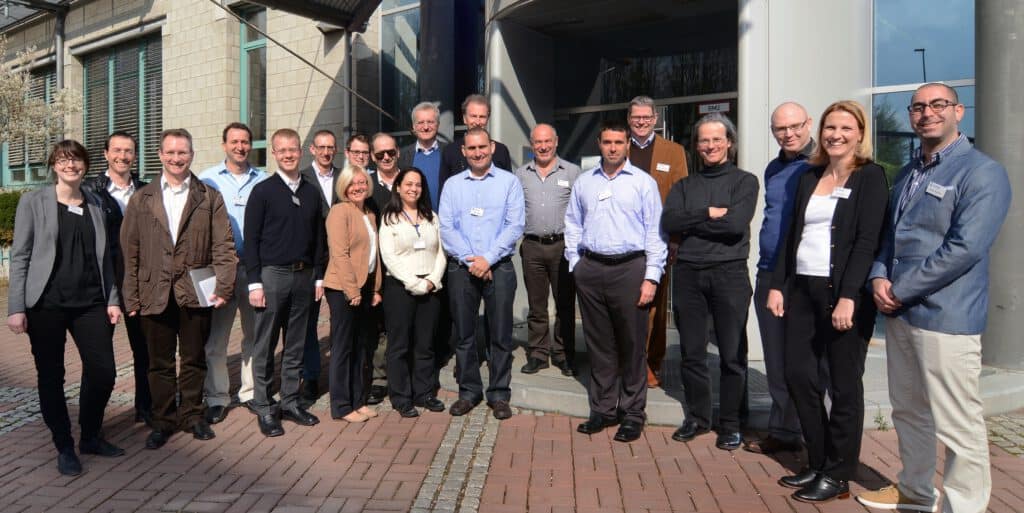
In 1987, DTG set up a student fund to provide financial support for German students at the Technion and Technion students in Germany to study for one or two semesters as guest students.
With the establishment of the “Science Prize of the German Technion Society” in 2002, the DTG honors scientists from Germany and Israel who not only demonstrate outstanding scientific achievements, but also look back on intensive cooperation with colleagues from the other country. The biennial science awards were sponsored by Reinhard Frank and the Eduard Rhein Foundation until 2013; since then, the DTG has been responsible for organizing them itself.
Mit der Eröffnung der Geschäftsstelle in Berlin im April 2003 wird das Technion in der Bundesrepublik noch sichtbarer und eine Reihe von Förderprogrammen, Ausstellungen und Vortragsreihen werden aufgebaut: So beginnen 2006 die ersten Studenten des Life Science-Austauschs ihre Forschungspraktika in Haifa und Hannover. Master- und PhD-Studenten der Leibniz Universität und der Medizinischen Hochschule Hannover aus dem Bereich der Biowissenschaften forschen für 4-6 Wochen in Laboren des Technion, gleichzeitig machen Studenten aus Haifa in Deutschland ihre Erfahrungen für die wissenschaftlichen Karriere. This program will support several hundred young scientists over the years with the help of the Reinhard Frank Foundation, private donors and industry funding. In 2021, the state of Lower Saxony will take over the program for all universities in Lower Saxony, all Israeli universities and the universities in the West Bank under the name ILSSE. This funding is independent of faculty and initially limited to 4-6-week research internships. The LSN program of the German Technion Society continues to exist.
Since 2009, the DTG has been offering its own delegation trips on various science and technology topics, as well as to the Israeli startup scene and the high-tech industry. The trips are planned and accompanied by the DTG and include all relevant departments of the Technion, companies of Technion alumni and departments of the Israeli high-tech industry led by Technion graduates. The DTG has been providing individual advice for delegation trips to science, politics and business since its foundation.
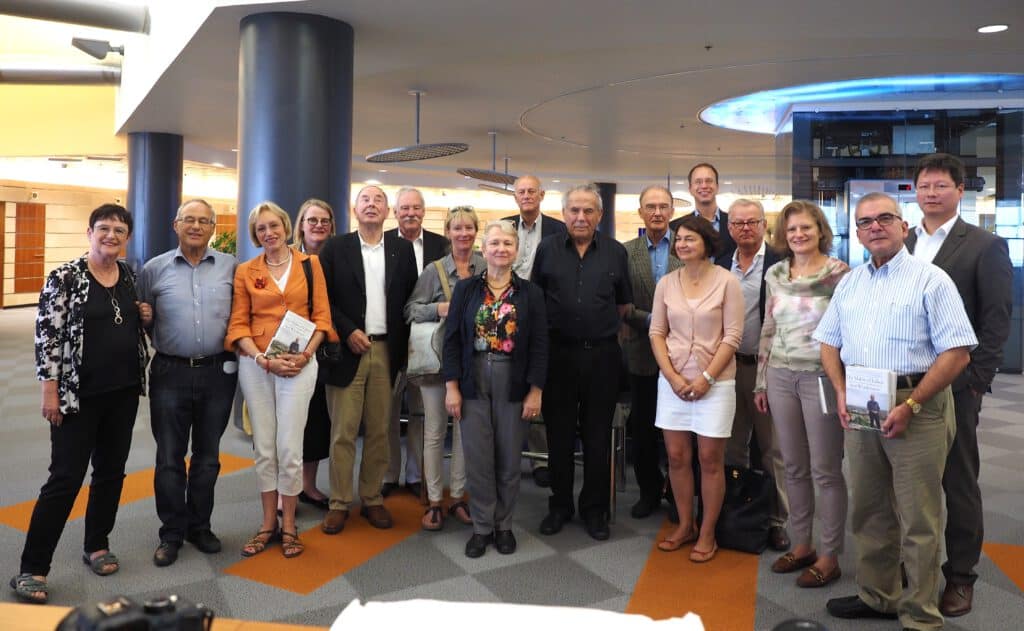
In order to intensify scientific cooperation between young scientists from Lower Saxony and Israel, the “Lower Saxony-Israeli Scientific Conference” has been held in Hanover every second spring since 2013. Representatives from both states will present their current cooperation projects funded by the Lower Saxony MWK. The results of the work are widely discussed, and young scientists are provided with the opportunity to present their work at poster exhibitions and gain cooperation partners. The program is sponsored by the state of Lower Saxony, the Friends of LUH and various industry representatives.
In addition, the DTG offers conference scholarships and kick-off cooperation scholarships. The “YoungDTG” section will be set up for young scientists so that former and current scholarship holders can exchange ideas with each other on their platform.
To intensify scientific cooperation on highly topical issues, the DTG is sponsoring an annual “Green Photonics Symposium” from 2014-2016 with the help of the Reinhard Frank Foundation. The aim of the symposia, which are held alternately in Haifa and Berlin, is to bring together young academics and work together on highly topical strategic issues. From 2017, the focus will change to quantum physics. The symposia will take place in Würzburg, Haifa and Munich.
The Hasso Plattner Institute (HPI) has been working closely with the Technion in the fields of computer science and electrical engineering since 2009. Ten years later, the DTG takes over part of their administrative support, and the HPI, under the direction of Prof. Dr. Meinel, supports up to 15 doctoral students from Haifa each year in the jointly established “Research School” HPRC-Technion.
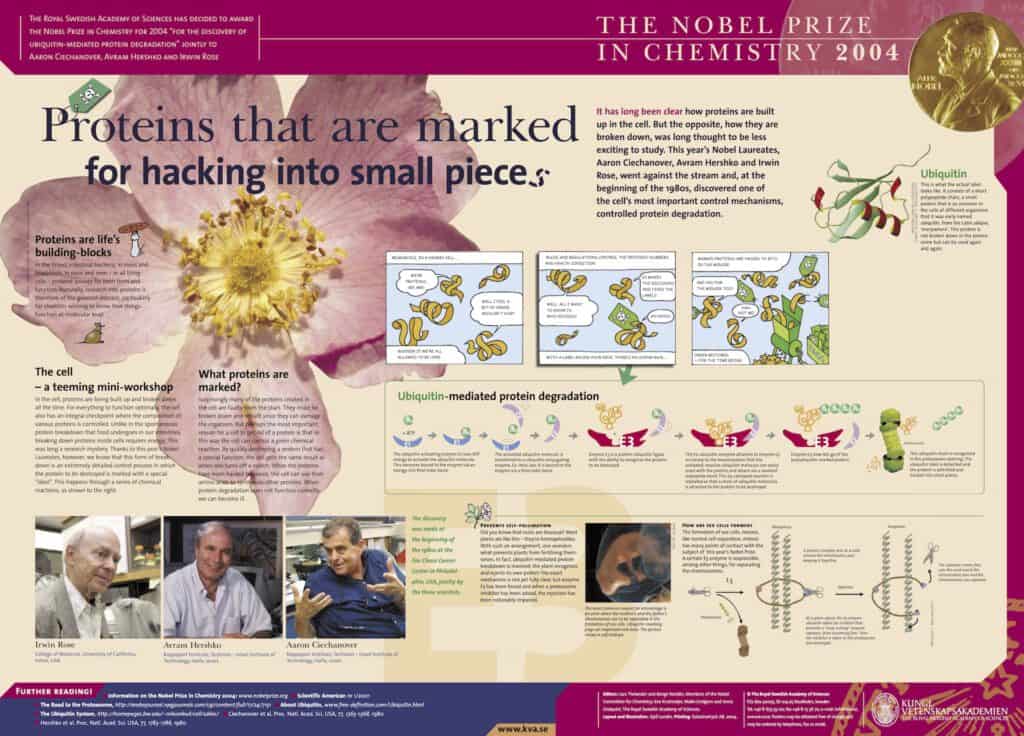
In recent decades, the Technion has expanded and intensified its research in its own country, opened branches in the USA and China and was awarded three Nobel Prizes for Technion professors in 2004 and 2011. The university was involved in the training or research collaborations of other Nobel Prize winners. Under the 10-year leadership of President Prof. Peretz Lavie, the university has forged numerous international links, both with scientific research institutes and in industrial research.
Since 2019, under the leadership of President Prof. Uri Sivan, the Technion has been undergoing a transformation from a traditional university to an interdisciplinary research institution covering all areas. After the successful combination of engineering sciences with the natural sciences and medicine in the 1970s and 1980s and their medical technology inventions, which still have an impact today, the focus is now on the connections between almost all disciplines and computer sciences. Cyber security and artificial intelligence are the two most important areas here. Topics such as “Healthy Aging” and adapting the field of food technology to the United Nations’ 17 sustainability goals set new targets.
The Technion was opened in 1924 with the desire to build up its country, but also to develop research that would be useful and helpful worldwide. Even after 100 years, nothing has changed, the composition of students in Haifa has become even more international and the adaptation to ever important new topics promises an exciting future.